Dividing and Replanting Hostas for Vigorous Growth

Hostas are a staple in many shade gardens, prized for their lush foliage and ease of care. Over time, however, these perennials can become overcrowded, leading to reduced vigor and smaller leaves. Dividing and replanting hostas is a standard horticultural practice that addresses this issue, promoting healthier growth and allowing gardeners to propagate new plants. This article outlines the process of dividing and replanting hostas, focusing on timing, technique, and aftercare to ensure successful establishment in your flower beds.
Understanding the growth habit of hostas is essential before undertaking division. Hostas grow from rhizomes, which are underground stems that produce roots and shoots. As the plant matures, the rhizome expands, and the center may become woody and less productive. Division involves separating the rhizome into sections, each with its own set of roots and buds, which can then be replanted to grow into independent plants. This process rejuvenates the original plant and provides new specimens for other areas of the garden.
Timing and Preparation
The best time to divide hostas is in early spring, just as new shoots emerge, or in early autumn, after the heat of summer has passed. In spring, dividing before full leaf expansion allows the plant to recover quickly, as the roots are not yet supporting a large canopy. In autumn, dividing about six weeks before the first frost gives the divisions time to establish roots before winter dormancy. Avoid dividing during summer, as heat stress can compromise survival.
Before starting, prepare the new planting sites. Hostas prefer well-draining soil rich in organic matter, with a slightly acidic to neutral pH. Choose locations with suitable light conditions—most hostas thrive in partial to full shade, though some varieties tolerate more sun. Dig holes that are wider than the root ball to encourage root spread, and amend the soil with compost if needed. Water the plant thoroughly a day before division to hydrate the roots and reduce stress.
Tools and Technique
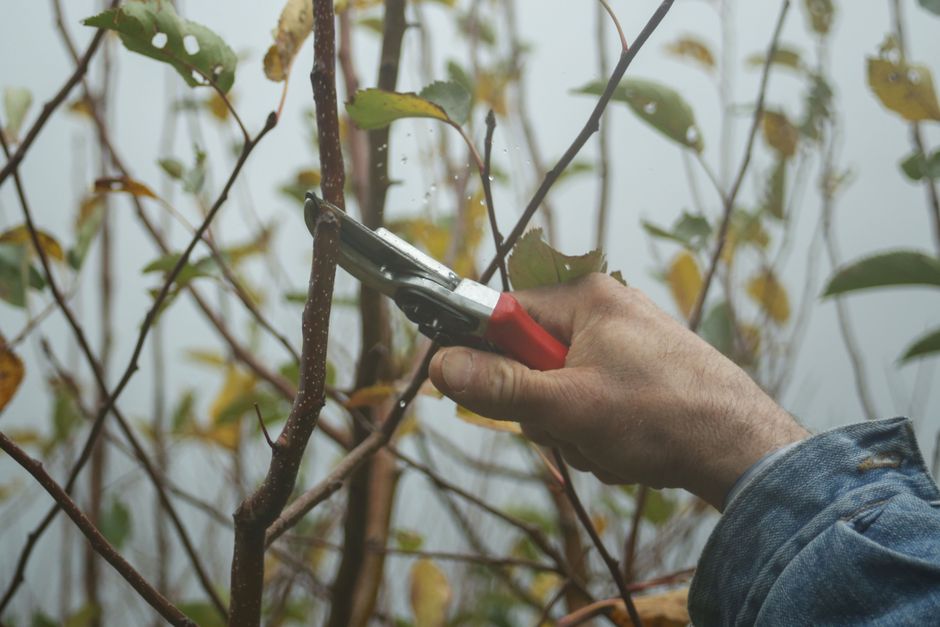
Sharp, clean tools are crucial for successful division. You will need a garden fork or spade to lift the plant, a sharp knife or pruners to cut the rhizome, and a tarp or wheelbarrow to hold the divisions. Begin by digging around the hosta, well outside the dripline, to avoid damaging roots. Gently lift the entire clump from the soil, shaking off excess dirt to expose the rhizome structure.
Inspect the rhizome to identify natural separation points and healthy growth buds. Using a sharp knife, cut the rhizome into sections, ensuring each has at least three to five shoots and a healthy root system. Trim any rotted or damaged roots, and remove dead or yellowed leaves. If the center of the clump is woody and non-productive, discard it, as it will not regrow. Aim for divisions that are proportional—smaller sections recover faster, but too-small divisions may take longer to establish.
Replanting and Aftercare
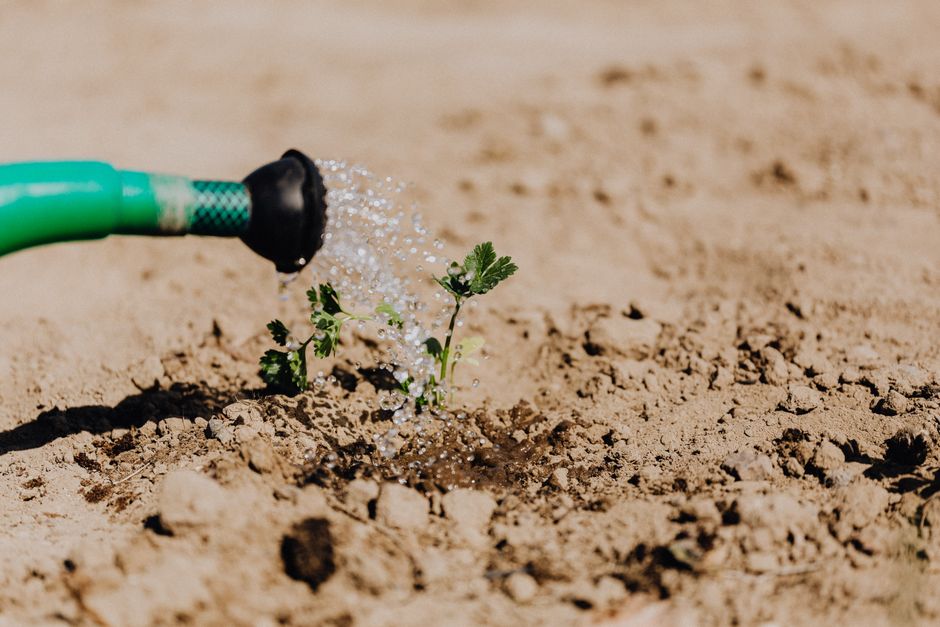
Replant divisions at the same depth they were growing previously. Place each section in its prepared hole, spreading the roots outward, and backfill with soil, firming gently to eliminate air pockets. Water deeply after planting to settle the soil and ensure good root contact. Mulching around the base with a layer of organic material, such as shredded leaves or bark, helps conserve moisture and moderate soil temperature.
Aftercare is critical for the first few weeks. Keep the soil consistently moist but not waterlogged, watering deeply once or twice a week depending on weather and soil drainage. Avoid overwatering, as excessive moisture can lead to root rot. New divisions may show transplant shock initially, showing wilting or slowed growth; this is normal as the plant redirects energy to root development. Avoid fertilizing immediately after planting, as this can stress the plant; instead, wait until new growth appears.
Monitor the divisions for signs of stress or disease. Provide adequate moisture during dry spells, and consider shading newly planted divisions with temporary covers if the weather is hot. In case of heavy frost in autumn, apply a thick layer of mulch to protect the roots. Once established, hostas are relatively low-maintenance, but regular watering during dry periods and occasional feeding in spring will support healthy growth.
Benefits and Considerations
Dividing hostas not only maintains plant vigor but also offers several other benefits. It prevents overcrowding, which can lead to reduced air circulation and increased susceptibility to fungal diseases. Divided plants often display improved leaf size and overall appearance. Additionally, division provides an economical way to expand your garden collection or share plants with others.
Consider the specific characteristics of your hosta varieties when dividing. Some varieties are clumping types that divide easily, while others may have more compact root systems. Researching the particular growth habit of your hosta can help you anticipate the outcome. Also, be mindful of the time required for divisions to fully establish; it may take a full season before they reach their potential size.
In summary, dividing and replanting hostas is a straightforward technique that can be performed every few years to maintain healthy, vigorous plants. By choosing the right time, using proper tools, and providing attentive aftercare, gardeners can successfully propagate hostas and enhance the beauty of their flower beds. Regular division is a rewarding practice that supports the long-term health and abundance of these beloved shade perennials.