Creating a Low-Maintenance Cottage Garden Layout
A cottage garden often evokes images of overflowing borders, rambling roses, and a profusion of color. However, the traditional cottage garden can demand significant time and effort to maintain. For those who appreciate the informal charm but have limited hours to devote to gardening, a low-maintenance approach offers a practical solution. By focusing on plant selection, thoughtful layout, and strategic features, it is possible to create a garden that feels abundant and romantic while requiring minimal intervention.
This article explores the principles of designing a low-maintenance cottage garden, emphasizing easy perennials, relaxed planting schemes, and the integration of paths and seating. The goal is to provide a framework for developing a garden that is both visually appealing and sustainable over time, reducing the need for constant upkeep. By understanding the key elements and making informed choices, gardeners can enjoy a beautiful outdoor space without being tied to a demanding maintenance routine.
Foundation: Choosing Easy Perennials
The cornerstone of a low-maintenance cottage garden is the selection of plants that are well-suited to the local climate and soil conditions. Perennials that return year after year with minimal care form the backbone of the design. When choosing plants, consider their water requirements, resistance to pests and diseases, and overall hardiness. Native species and well-adapted cultivars often thrive with little supplemental watering once established, making them ideal candidates.
Incorporate a mix of flowering perennials that provide sequential blooms throughout the growing season. This not only ensures continuous color but also supports pollinators and beneficial insects. For example, hardy geraniums, catmint, and salvia are reliable bloomers that require little more than an occasional deadheading to encourage repeat flowering. Other stalwarts like daylilies, coneflowers, and black-eyed Susans are drought-tolerant and virtually carefree once planted.
Grouping plants with similar needs together reduces maintenance efforts. By creating clusters of plants that have compatible water and sunlight requirements, you can simplify irrigation and avoid the need for special care for individual specimens. Additionally, choosing plants that are naturally tidy and resist flopping reduces the need for staking and pruning. Mulching around these perennials helps retain soil moisture, suppress weeds, and gradually enrich the soil as it decomposes, further reducing the need for frequent attention.
Planning a Relaxed Planting Scheme
A relaxed planting scheme is essential to achieving the cottage garden aesthetic while minimizing upkeep. Unlike formal gardens with strict lines and symmetry, the cottage style embraces a more naturalistic and informal arrangement. Plants are often grouped in drifts and allowed to intermingle, creating a soft and cohesive look. This approach not only appears charming but also reduces the need for precise maintenance, as plants can grow into each other and fill gaps naturally.
When designing the layout, consider the height and spread of each plant, placing taller specimens at the back of borders and shorter ones at the front. However, allow for a degree of self-seeding and gentle spreading, which adds to the informal character. Plants like foxgloves, columbines, and poppies may sow themselves in unexpected places, but they can be easily moved or left to create a naturalistic effect. This self-sufficiency reduces the need for replanting and keeps the garden fresh.
Incorporate a variety of textures and foliage shapes to add interest even when flowers are not in bloom. Ornamental grasses, ferns, and plants with silvery foliage, such as lamb’s ear, provide contrast and year-round appeal. Their presence reduces the visual impact of spent blooms and allows the garden to look well-composed with minimal deadheading. By focusing on a balanced mix of foliage and flowers, the garden maintains its charm with less ongoing effort.
Incorporating Paths and Seating
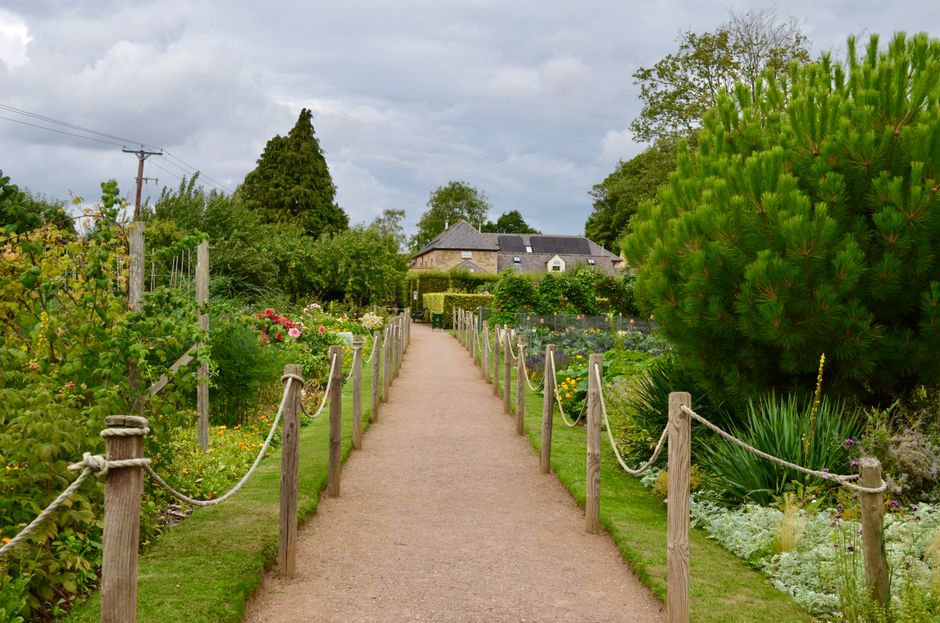
Paths and seating are not only functional elements but also integral to the cottage garden experience. Well-designed paths create a sense of journey and invite exploration, while also defining planting areas and reducing the need for weeding along edges. Choose materials that are durable and low-maintenance, such as gravel, stepping stones, or brick, which can be easily installed and require little upkeep. Consider using permeable materials that allow water to infiltrate, reducing runoff and helping maintain soil moisture.
Paths should be wide enough to allow easy movement and maintenance access, and they should follow natural lines that complement the informal style. Curved paths often soften the landscape and create a more relaxed feel, whereas straight paths can appear too formal. Edging with a simple border of stones or metal strips helps keep the path clear and prevents grass from encroaching, minimizing trimming efforts.
Seating areas provide a place to pause and enjoy the garden, and they can be designed to blend seamlessly with the surroundings. A bench tucked into a corner or a small patio with a table and chairs can serve as a focal point. Choose low-maintenance materials like teak, wrought iron, or recycled plastic that resist weathering and require minimal painting or staining. Position seating to take advantage of sunny or shaded spots, and consider incorporating a pergola or arbor to provide partial shade and support for climbing plants, adding height and interest without increasing upkeep.
Maintenance Strategies for Long-Term Success
Even a low-maintenance garden requires some attention, but with smart strategies, the workload can be significantly reduced. One of the most effective methods is to implement a consistent mulching routine. Organic mulches, such as wood chips or shredded leaves, not only suppress weeds but also improve soil structure and retain moisture. Apply a layer of mulch in spring and replenish as needed to keep weeds at bay and reduce watering frequency.
Another strategy is to choose plants that do not require frequent division or staking. Many ornamental grasses and tough perennials can be left standing through winter, providing structure and habitat for wildlife. In early spring, a simple cut back of old growth can be done quickly, and this also serves as a natural way to cycle nutrients. Deadheading is optional for many plants; leaving spent blooms can provide seeds for birds and add a rustic beauty to the garden.
Automated irrigation, if properly designed, can further reduce maintenance. Drip irrigation systems deliver water directly to the root zones, minimizing waste and evaporation. By setting a timer, the garden can be watered consistently without manual effort, which is especially beneficial during dry spells. Grouping plants with similar watering needs allows for efficient irrigation zones, ensuring that each plant receives appropriate moisture without overwatering.
By adopting these maintenance strategies, the garden remains healthy and thriving with minimal input, allowing more time to simply enjoy the space. The key is to work with nature rather than against it, fostering an ecosystem that supports itself.
Seasonal Interest and Adaptation
A well-designed low-maintenance cottage garden offers interest throughout the year, not just during the peak growing season. Choose plants with varying bloom times, from early spring bulbs to late summer and fall asters, to ensure color and activity across the months. Additionally, plants with attractive seed heads, colorful stems, or evergreen foliage provide structure during winter.
Adapting the garden to local conditions is crucial for long-term success. In areas with hot, dry summers, select drought-tolerant species and consider using gravel mulches to reflect heat and reduce moisture loss. In cooler, wetter climates, ensure good drainage and choose plants that can handle moisture. Understanding the microclimates within the garden, such as sunny, sheltered spots or shady, damp corners, allows for tailored plant choices that reduce stress and the need for intervention.
As the garden matures, periodic evaluation and adjustment are necessary. Plants may outgrow their space, or certain species may not perform as expected. Rather than constant tinkering, embrace a flexible approach and allow the garden to evolve naturally. Removals and additions can be done during the appropriate seasons, and this ongoing refinement is part of the enjoyment of gardening.
Incorporating elements that attract beneficial insects, such as native wildflowers and a shallow water source, can also reduce pest issues and promote a healthy balance. This ecological approach minimizes the need for chemical interventions and fosters a self-sustaining environment.
Conclusion
Creating a low-maintenance cottage garden is an achievable goal for gardeners of all skill levels. By focusing on easy perennials, planning a relaxed planting scheme, and incorporating functional and aesthetic elements like paths and seating, the garden can provide beauty and tranquility with minimal effort. The key is to make informed choices that work with the local environment and to adopt practices that reduce upkeep while maintaining the garden’s charm.
This approach not only saves time and energy but also contributes to a more sustainable and resilient landscape. As the garden develops, it becomes a personal haven that can be enjoyed without the constant pressure of upkeep. Whether you are a seasoned gardener or a beginner, the principles outlined here offer a pathway to creating a garden that is both beautiful and manageable, allowing you to spend more time relaxing and less time working.
Ultimately, the success of a low-maintenance cottage garden lies in thoughtful planning and a willingness to adapt. By embracing the natural processes of growth and change, you can create a space that feels both intentional and effortless, a true sanctuary that reflects the essence of cottage gardening.