Choosing Shade Loving Perennials for Dense Canopy Areas
When designing a garden beneath a dense tree canopy, gardeners often face a unique set of challenges. The deep shade cast by mature trees can limit the palette of plants that will thrive, but it also offers an opportunity to create a serene and lush understory. Shade-loving perennials such as astilbes and ferns are well-suited to these conditions, providing texture and color where sun-loving plants cannot survive. This article explores the considerations involved in selecting and growing perennials in dense shade, including soil preparation, spacing, and the specific light conditions found under trees.
Successful under-tree gardening requires a thoughtful approach that respects the existing ecosystem. The root systems of trees compete with smaller plants for water and nutrients, and the canopy alters not only light but also rainfall distribution. By understanding these dynamics, gardeners can make informed choices that lead to a sustainable and visually appealing display. This guide will outline practical steps and factors to keep in mind when planning a shade garden, with a focus on perennials that are known for their resilience in low-light environments.
Understanding Light Conditions in Dense Canopy Areas
Light is the most critical factor in any garden, but under a dense canopy, its quality and quantity are distinctly different from open areas. Dappled shade, where sunlight filters through leaves, differs from full shade, where little direct sun reaches the ground. It is important to observe the pattern of light throughout the day and across seasons, as deciduous trees allow more light in early spring before leaves emerge. Perennials that bloom in spring, such as certain astilbes, can take advantage of this brief period of increased light.
For areas under evergreen trees or on the north side of buildings, where shade is constant and deep, choices become more limited. Ferns are particularly adaptable to such conditions, thriving in the low light and often moist soil found there. When selecting plants, consider not only the depth of shade but also the duration. Some perennials tolerate morning sun but not afternoon heat, while others prefer continuous shade. Observing the specific microclimate of your garden is the first step toward making appropriate selections.
Key Considerations for Soil and Moisture
Soil under trees is often dry and compacted, with roots competing fiercely for available moisture. Before planting, it is beneficial to assess the soil texture and pH, and to amend it with organic matter such as compost or leaf mold to improve drainage and water retention. However, it is crucial to avoid disturbing tree roots excessively; tilling can damage the shallow root systems of many trees. Instead, top-dressing with mulch and compost can gradually improve soil structure without harming the tree.
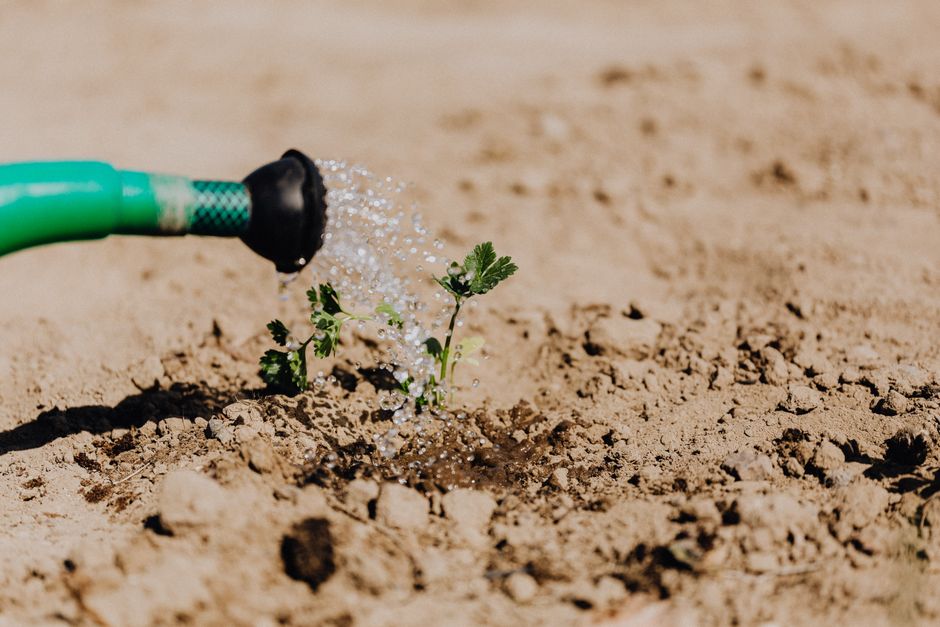
Moisture management is another essential aspect. Dense canopies intercept rainfall, so the soil may remain drier than the surrounding garden. Perennials that are drought-tolerant once established, such as some ferns and astilbes, are good choices, but they will need regular watering during their first growing season to establish strong root systems. Using a layer of mulch can help retain soil moisture and regulate temperature, as well as suppress weeds. A consistent watering schedule, especially during dry spells, is key to helping new plantings acclimate.
Selecting Perennials for Dense Shade
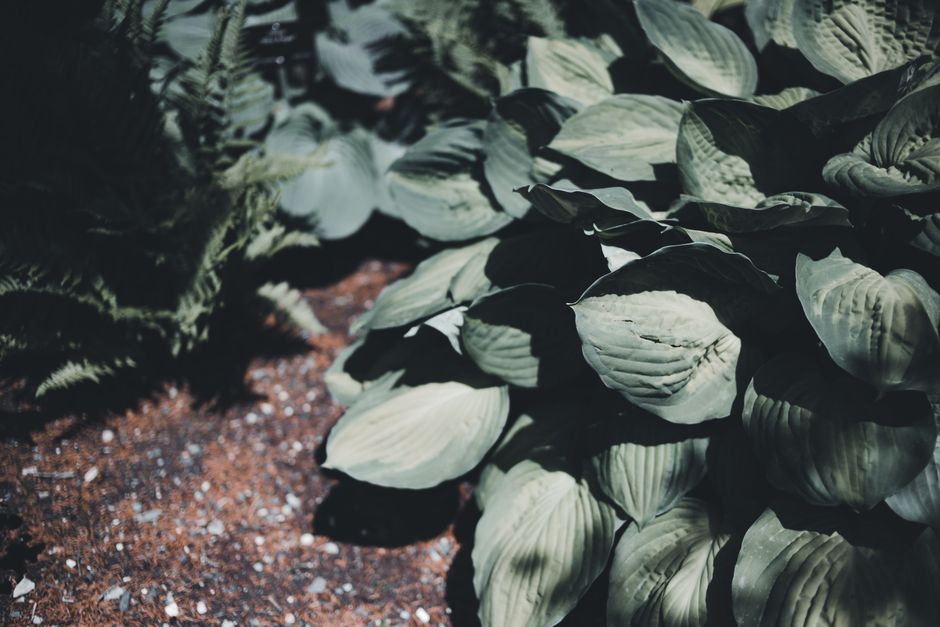
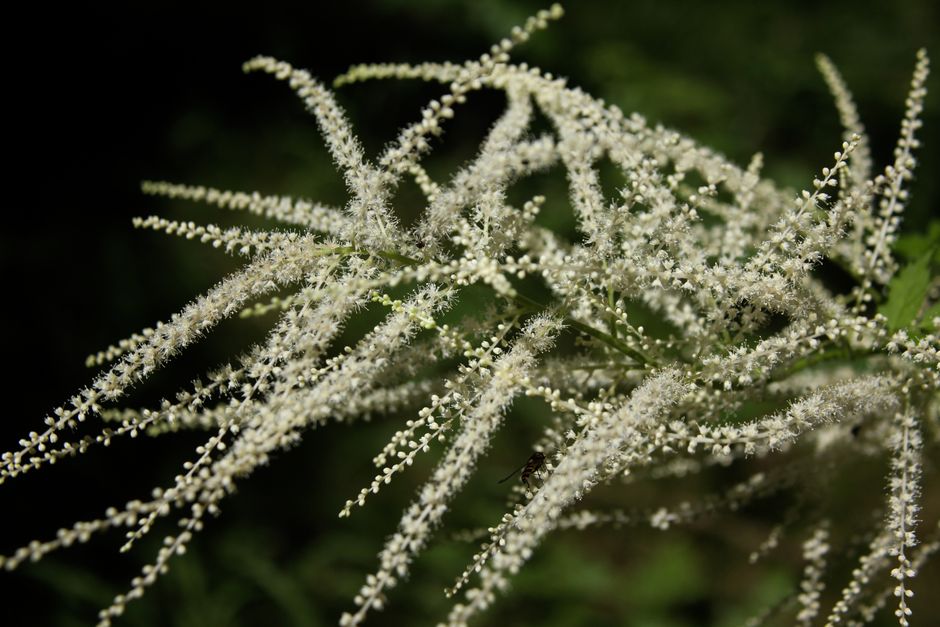
When choosing perennials for dense shade, it is wise to focus on species that are naturally found in woodland environments. Astilbes, with their feathery plumes, add vibrant color in shades of pink, red, and white during early summer. They prefer moist, fertile soil and can tolerate fairly deep shade, though they flower more profusely with a little morning sunlight. Ferns, such as lady fern, Japanese painted fern, and ostrich fern, are staples of shade gardens, offering architectural foliage and a range of textures from delicate to bold.
Other reliable choices include hostas, which come in a variety of leaf colors and sizes, and groundcovers like wild ginger or foamflower. These plants create a layered effect, with taller species in the background and lower-growing ones in the forefront. It is also beneficial to consider seasonal interest: some shade perennials bloom in early spring, while others provide colorful foliage or berries later in the year. Diversifying the palette ensures that the under-tree area remains attractive throughout the growing season.
Spacing and Planting Techniques
Proper spacing is crucial for the health and visual impact of shade plantings. Overcrowding leads to competition for water and nutrients, while too much space can leave gaps that invite weeds. General guidelines suggest spacing plants according to their mature width, but in dense shade, where growth may be slower, plants can be placed slightly closer together to create a fuller look sooner. It is also important to consider the growth habits of each plant—some spread via rhizomes and may eventually colonize an area, while others remain in clumps.
When planting under trees, use care in digging holes. Locate holes between major roots, and avoid cutting large roots. Adding a small amount of compost to the backfill can improve the immediate environment, but avoid fertilizing heavily, as this can encourage root competition. After planting, water thoroughly and apply a layer of mulch to conserve moisture. If planting in a grid or naturalistic cluster, take into account the mature size of each plant to achieve a balanced composition.
Care and Maintenance for Long-Term Health
Ongoing care for shade perennials involves regular watering, especially during the first two years, as the plants establish. Mulching each year with organic material helps to maintain soil moisture and gradually enriches the soil as it decomposes. Fertilization is generally minimal, as excessive nutrients can promote soft growth that is more susceptible to pests. A balanced, slow-release fertilizer applied in early spring can be beneficial, but it is often unnecessary when leaf litter and compost are allowed to break down naturally.
Pruning and cleanup depend on the plant species. For ferns and astilbes, cutting back the dead foliage in late fall or early spring is recommended to make way for new growth. Removing spent flowers of astilbes can encourage additional blooming. It is also important to monitor for common pests like slugs and snails, which thrive in moist shade; they can be managed through cultural practices such as reducing debris and using barriers. With proper care, a shade garden can become a low-maintenance, enduring feature of the landscape.
Observation and patience are key in shade gardening. Dense canopy areas present unique conditions that require careful selection and adaptation. By understanding the interplay of light, soil, and moisture, gardeners can create a thriving under-tree display that evolves naturally over time.
In summary, choosing shade-loving perennials for dense canopy areas involves a holistic appreciation of the environment beneath trees. By assessing light patterns, preparing the soil appropriately, selecting compatible plants, and spacing them thoughtfully, gardeners can establish a resilient and attractive garden. Consistent watering and maintenance, along with a willingness to adapt as conditions change, will help ensure long-term success. Whether one prefers the delicate blooms of astilbes or the graceful fronds of ferns, a dense canopy can become a canvas for a verdant and serene retreat.